分类:未分类
FL Studio 2024.1.1 Free Download – Fruity Loops Trial Version for Windows

Get the latest FL Studio 2024.1.1 trial version for Windows – no subscription needed! Enjoy 64-bit audio recording VST instruments and sound packs. Easy and secure install with a clean installer 2025 ready. No login required pre-activated with trial bypass. Download now and start creating loops with Fruity!
FL Studio also known as Fruity Loops is a powerful digital audio workstation (DAW) that is 2025 ready with advanced features for music production. The trial version offers a fully functional experience including access to a wide range of VST instruments sound packs and loops making it perfect for beginners and professionals alike. With its secure install and clean installer users can enjoy a hassle-free setup without worrying about malware or bloatware.
The trial version of FL Studio by Image-Line supports audio recording MIDI editing and comes with a selection of built-in plugins. Unlike other DAWs it requires no login needed to start creating music right away. The 64-bit architecture ensures smooth performance while the easy install process makes it accessible for users of all levels. If you’re looking for a pre-activated version with FL Studio all plugins you can explore trusted sources like fl24.pro for a seamless experience.
While the trial version is feature-rich some users seek ways to bypass restrictions such as trial bypass or using a keygen though these methods are not recommended due to security risks. Instead opting for the official trial or licensed version ensures stability and updates. Whether you’re experimenting with beats or producing full tracks FL Studio’s trial provides a solid foundation for creativity without compromising on quality.
Features of Fruity Loops Trial Version
| Feature | Description |
|---|---|
| Full DAW Functionality | Access the complete Digital Audio Workstation with all essential tools for music production. |
| Step Sequencer | Create beats and patterns quickly using the intuitive step sequencer. |
| Virtual Instruments | Experiment with built-in synths drum machines and sample-based instruments. |
| Effects & Plugins | Apply high-quality effects like reverb delay and EQ to enhance your tracks. |
| Piano Roll Editor | Compose melodies and harmonies with precision using the advanced piano roll. |
| Pattern & Song Mode | Switch between pattern-based sequencing and full song arrangement effortlessly. |
| MIDI Support | Connect and control external MIDI devices for expanded creative possibilities. |
| Sample Manipulation | Import chop and tweak audio samples to create unique sounds. |
| Automation | Record and edit parameter changes for dynamic and evolving tracks. |
| Export Options | Save your projects and export tracks in various audio formats for sharing. |
System Requirements
Trial Version: Fruity Loops
Minimum Requirements:
- Operating System: Windows 7 (64-bit) or later
- Processor: 2 GHz dual-core CPU
- RAM: 4 GB
- Hard Disk Space: 2 GB free space
- Graphics: DirectX 10 compatible GPU
- Sound Card: ASIO-compatible audio hardware recommended
Recommended Requirements:
- Operating System: Windows 10/11 (64-bit)
- Processor: 3 GHz quad-core CPU or better
- RAM: 8 GB or more
- Hard Disk Space: 4 GB free space (SSD recommended)
- Graphics: DirectX 11 compatible GPU with 2GB VRAM
- Sound Card: ASIO-compatible audio hardware for low latency
How to Download the Trial Version of Fruity Loops
- Click the “Download Trial” button on this page.
- Wait for the download to start automatically.
- If prompted choose a save location on your computer.
- Once downloaded open the installer file.
- Follow the on-screen instructions to complete the installation.
Enjoy your trial of Fruity Loops!
FAQ: Trial Version of Fruity Loops
1. How long does the Fruity Loops trial version last?
The trial version of Fruity Loops (now known as FL Studio) typically lasts for an unlimited time but with some restrictions. You can use all features but you cannot reopen saved projects after closing the program unless you purchase a license.
2. What features are disabled in the trial version?
The trial version includes all features but you cannot save or export projects in a way that allows reopening them later. You also cannot use third-party plugins that require a paid FL Studio license. However you can render (export) your music to audio files like MP3 or WAV.
3. Can I use the trial version for commercial purposes?
No the trial version is intended for evaluation and personal use only. If you want to release or sell music made in FL Studio you must purchase a licensed version.
4. Will my projects from the trial version work after purchasing the full version?
Yes! Once you buy FL Studio you can open and continue working on projects created in the trial version. However projects saved during the trial cannot be reopened until you activate the full version.
5. How do I upgrade from the trial to the full version?
To upgrade purchase a license from the official Image-Line website. After payment you’ll receive a registration code to unlock the full version. Follow the activation instructions provided in your purchase confirmation email.
Mastering Sound Experiments in FL Studio – Tips Tricks and Techniques
FL Studio a powerhouse in the world of digital audio workstations (DAWs) offers endless possibilities for sound design and music production. Whether you’re a seasoned producer or a beginner mastering the art of sound experimentation in FL Studio can elevate your tracks to new heights. This article dives deep into practical tips creative tricks and advanced techniques to help you unlock the full potential of this versatile software.
Sound experimentation is at the heart of modern music production. It allows you to craft unique textures design innovative effects and push the boundaries of traditional genres. FL Studio’s intuitive interface and robust toolset make it an ideal platform for exploring these creative avenues. From manipulating synthesizers to layering samples the possibilities are virtually limitless.
In this guide we’ll explore how to harness FL Studio’s features to create groundbreaking sounds. You’ll learn how to use plugins automate parameters and apply effects to transform simple ideas into complex auditory experiences. Whether you’re aiming to produce cutting-edge electronic music or enhance your soundscapes these techniques will provide a solid foundation for your creative journey.
Understanding FL Studio’s Sound Design Tools
FL Studio offers a comprehensive suite of sound design tools that empower producers to create unique and professional-quality sounds. These tools range from synthesizers and samplers to effects processors and modulation options. Understanding how to use them effectively is key to mastering sound experiments in FL Studio.
- Synthesizers: FL Studio includes powerful synthesizers like Sytrus Harmor and Serum (via VST). These tools allow you to generate and manipulate waveforms create complex modulations and design sounds from scratch. Sytrus for example is a versatile FM synthesizer while Harmor excels in additive synthesis and resynthesis.
- Samplers: Tools like FLEX DirectWave and the built-in Sampler Channel enable you to work with audio samples. FLEX offers a vast library of presets while DirectWave allows for advanced sample manipulation including layering slicing and mapping.
- Effects Processors: FL Studio’s effects rack includes plugins like Fruity Reverb Delay Distortion and EQ. These tools shape your sound by adding depth space and texture. For example Fruity Convolver is perfect for creating realistic reverb environments while Fruity Parametric EQ 2 helps fine-tune frequency balance.
- Modulation Tools: Automation clips LFOs and envelope controllers are essential for dynamic sound design. Automation clips let you control parameters over time while LFOs and envelopes in plugins like 3x OSC or Sytrus add movement and variation to your sounds.
- Granular Synthesis: FL Studio’s Granulizer and plugins like Fruity Granulizer allow you to break audio into tiny grains and manipulate them. This technique is ideal for creating evolving textures glitch effects and experimental sounds.
- Patcher: Patcher is a modular environment where you can combine multiple plugins effects and routing options to create custom sound design setups. It’s perfect for building complex signal chains and experimenting with unique combinations.
To maximize your sound design potential in FL Studio:
- Experiment with layering sounds using multiple synthesizers or samplers.
- Use effects in creative ways such as applying distortion to a reverb tail or modulating a delay with an LFO.
- Explore automation to bring life to static sounds like gradually changing filter cutoff or pitch over time.
- Combine granular synthesis with traditional synthesis techniques for hybrid sound design.
- Utilize Patcher to build custom effects chains and save them as presets for future projects.
By mastering these tools you can unlock FL Studio’s full potential and create sounds that stand out in your productions.
Navigating the Channel Rack for Sound Creation
The Channel Rack in FL Studio is the central hub for managing and creating sounds. It allows you to organize instruments samples and effects making it essential for crafting unique audio experiences. To get started open the Channel Rack by pressing Ctrl+Shift+C or accessing it from the toolbar. Each channel represents a sound source such as a synthesizer drum sample or audio clip.
To add a new sound click the + button and select from the list of generators or samples. FL Studio offers a wide range of built-in plugins like Sytrus Harmor and FLEX which are perfect for sound design. Once added you can adjust parameters such as volume panning and pitch directly in the Channel Rack. For more advanced tweaking double-click the channel to open its settings or plugin interface.
Patterns are another key feature of the Channel Rack. By creating patterns you can sequence different sounds and build complex arrangements. Use the step sequencer to program drum beats or melodies quickly. To layer sounds duplicate channels and modify their settings for richer textures. Remember to name your channels and patterns for better organization especially in larger projects.
For professional-level sound creation explore the capabilities of FL Studio by integrating third-party plugins and effects. Experience the capabilities of FL Studio for professional recording and unlock its full potential. The Channel Rack’s flexibility makes it a powerful tool for both beginners and advanced producers enabling endless possibilities for sound experimentation.
Exploring the Power of FL Studio’s Plugins
FL Studio’s built-in plugins are a cornerstone of its versatility offering producers a wide range of tools for sound design mixing and mastering. These plugins are designed to be intuitive yet powerful enabling both beginners and professionals to achieve professional-quality results.
One of the standout plugins is FLEX a versatile synthesizer that provides access to a vast library of presets. With its user-friendly interface FLEX allows users to quickly find and customize sounds making it ideal for creating melodies basslines and atmospheric textures.
For sound manipulation Harmor is a must-use plugin. It combines additive and subtractive synthesis enabling users to create complex sounds from scratch. Its image resynthesis feature allows for unique sound design possibilities such as transforming audio samples into entirely new textures.
When it comes to effects Fruity Reverb 2 and Delay 3 are essential tools. Fruity Reverb 2 offers a range of reverb types from small rooms to vast halls while Delay 3 provides precise control over timing and feedback perfect for adding depth and space to your tracks.
For mixing and mastering Maximus is a powerful multiband compressor and limiter. It allows users to control dynamics across different frequency ranges ensuring a balanced and polished mix. Its visual interface makes it easy to identify and address problem areas in your audio.
Below is a comparison of key FL Studio plugins and their primary functions:
| Plugin | Primary Function | Best Use Case |
|---|---|---|
| FLEX | Sound Design | Creating melodies basslines and textures |
| Harmor | Advanced Synthesis | Complex sound design and resynthesis |
| Fruity Reverb 2 | Reverb Effects | Adding spatial depth to sounds |
| Delay 3 | Delay Effects | Creating rhythmic echoes and spatial effects |
| Maximus | Compression and Limiting | Mixing and mastering for balanced dynamics |
By mastering these plugins producers can unlock FL Studio’s full potential creating professional-quality tracks with ease. Experimentation and practice are key to discovering the unique capabilities of each tool.
Customizing Patcher for Unique Sound Design
FL Studio’s Patcher is a powerful tool for creating complex sound design workflows. By combining multiple plugins effects and routing options you can craft unique sounds that stand out in your productions. Start by loading Patcher into a channel and exploring its modular interface. Drag and drop plugins generators and effects into the workspace to build your signal chain.
Use the routing tools to create parallel processing paths. For example split a signal into multiple branches each with its own set of effects and then blend them back together for a rich layered sound. Experiment with MIDI routing to control multiple instruments or effects simultaneously allowing for dynamic modulation and automation.
Incorporate macros to streamline your workflow. Assign multiple parameters to a single knob or slider for real-time control. This is especially useful for creating evolving textures or morphing sounds. Save your custom Patcher presets to reuse in future projects ensuring consistency and efficiency.
Explore advanced techniques like feedback loops. Route the output of an effect back into its input to create self-oscillating or chaotic sounds. Be cautious with gain staging to avoid clipping. Combine this with modulation plugins like LFOs or envelope controllers to add movement and depth to your patches.
Finally experiment with third-party plugins within Patcher. Integrating external VSTs or effects can expand your sound design possibilities exponentially. Use Patcher’s flexibility to create hybrid setups that blend FL Studio’s native tools with your favorite external plugins for truly unique results.
Creating Dynamic Rhythms and Beats
Dynamic rhythms and beats are the backbone of any compelling track. In FL Studio achieving this requires a combination of creative sequencing sound selection and precise timing. Start by experimenting with different drum kits and percussion samples. Layer kicks snares hi-hats and toms to build a rich foundation. Use the step sequencer or piano roll to program patterns ensuring each element complements the others.
Incorporate velocity variations to add depth and realism. Adjusting the velocity of individual hits can make your beats feel more organic and less robotic. For example slightly reducing the velocity of off-beat hi-hats can create a more natural groove. Additionally use swing settings to introduce subtle timing shifts giving your rhythm a humanized feel.
Experiment with polyrhythms and syncopation to break away from predictable patterns. Overlaying rhythms with different time signatures or emphasizing unexpected beats can add complexity and intrigue. For instance try combining a 4/4 kick pattern with a 3/4 hi-hat sequence to create tension and movement.
Utilize automation to dynamically change parameters like filter cutoff reverb or delay over time. This can transform static beats into evolving soundscapes. For example automating a low-pass filter on a snare drum can create a sweeping effect that adds energy to transitions.
Finally don’t shy away from unconventional sounds. Incorporate field recordings Foley effects or synthesized textures to give your beats a unique character. By blending traditional drum elements with experimental sounds you can craft rhythms that stand out and captivate listeners.
Layering Drum Samples for a Fuller Sound
Layering drum samples is a powerful technique to create unique punchy and professional-sounding drums. By combining multiple samples you can enhance specific characteristics such as attack body or tail resulting in a more dynamic and textured sound.
Step 1: Choose Complementary Samples
Start by selecting samples that complement each other. For example pair a kick drum with a sharp attack but lacking low-end with another kick that has a deep sub-bass but a softer attack. This ensures that each layer contributes something valuable to the final sound.
Step 2: Align Transients
Properly align the transients of your layered samples. Misaligned transients can cause phase issues and reduce clarity. Use your DAW’s waveform view to visually align the peaks or adjust timing manually for precision.
Step 3: EQ for Clarity
Apply EQ to each layer to avoid frequency clashes. For instance cut the low-end from a snare layer that focuses on high-end snap and boost the mids in another layer to emphasize body. This ensures each layer occupies its own frequency space.
Step 4: Balance Levels
Adjust the volume of each layer to create a cohesive sound. The dominant layer should drive the overall character while supporting layers add subtle enhancements. Use gain staging to maintain headroom and avoid clipping.
Step 5: Add Effects Sparingly
Use effects like compression saturation or reverb to glue the layers together. Be cautious not to over-process as this can muddy the sound. A light touch often yields the best results.
Step 6: Experiment with Panning
For stereo width consider panning certain layers slightly left or right. This works particularly well for hi-hats or percussion layers adding depth and space to your drum mix.
By mastering layering techniques you can transform basic drum samples into rich complex sounds that elevate your productions. Experimentation is key–don’t be afraid to break the rules and discover new combinations.
Using Step Sequencer for Precise Beat Programming
The Step Sequencer in FL Studio is a powerful tool for creating precise and intricate drum patterns. Its grid-based interface allows you to program beats with accuracy making it ideal for genres that require tight rhythms such as hip-hop techno or drum and bass. By understanding its features you can elevate your beat-making process to a professional level.
To start open the Step Sequencer and select a channel for your drum sound such as a kick snare or hi-hat. Each step in the grid represents a division of time typically a 16th note depending on your project’s tempo. Click on the steps to activate or deactivate them creating your desired pattern. Use the “Shift” key to select multiple steps for quick editing.
For more dynamic patterns adjust the velocity of each step. Right-click on a step and drag up or down to change its intensity. This adds variation and human-like feel to your beats. Additionally use the “Accent” feature to emphasize specific steps making them stand out in the mix.
Experiment with the “Shift” and “Randomize” functions to introduce subtle variations. The “Shift” tool moves steps forward or backward in time creating syncopated rhythms. The “Randomize” feature adds unpredictability which can be useful for generating unique patterns or fills.
For advanced programming utilize the “Step Mode” to input notes in real-time. Activate the metronome press play and click steps in sync with the beat. This method is particularly effective for live performance or when working with complex time signatures.
Finally combine the Step Sequencer with FL Studio’s Piano Roll for even greater control. Export your drum pattern to the Piano Roll to fine-tune timing adjust note lengths or layer additional sounds. This hybrid approach ensures your beats are both precise and creatively rich.
Incorporating Swing and Groove for Natural Feel
Adding swing and groove to your tracks in FL Studio can transform rigid mechanical patterns into dynamic human-like rhythms. These techniques are essential for creating a natural organic feel in your music. Here’s how to master them:
Understanding Swing
Swing introduces subtle timing variations to your beats mimicking the natural imperfections of live performances. It shifts the placement of off-beat notes creating a “bouncy” or “shuffled” rhythm. FL Studio provides several ways to apply swing:
- Swing Percentage: Adjust the swing slider in the step sequencer or piano roll. Higher percentages create a more pronounced shuffle effect.
- Groove Templates: Use pre-made groove templates from the channel settings or browser to apply swing to specific patterns.
- Manual Adjustments: Shift individual notes slightly off the grid in the piano roll for a custom swing feel.
Exploring Groove
Groove goes beyond swing by adding velocity variations timing shifts and subtle dynamics to your patterns. FL Studio’s groove tools allow you to:
- Apply Groove Templates: Load groove templates from the browser or create your own. These templates can affect timing velocity and note length.
- Quantize with Groove: Use the quantize tool in the piano roll to align notes to a selected groove template while preserving natural variations.
- Layer Grooves: Combine multiple groove templates for complex evolving rhythms.
Tips for Effective Use
To make the most of swing and groove follow these tips:
- Start Subtle: Begin with low swing percentages or light groove settings to avoid overcomplicating your rhythm.
- Match Genres: Different genres require different swing and groove settings. For example hip-hop often uses a 16th-note swing while house music benefits from an 8th-note swing.
- Experiment with Velocity: Combine swing with velocity changes to add depth and realism to your patterns.
- Automate Swing: Automate the swing percentage or groove intensity over time to create evolving rhythms.
By mastering swing and groove you can breathe life into your tracks making them feel more dynamic and human. Experiment with these tools to find the perfect balance for your music.
FAQ:
How can I create unique sound effects in FL Studio without relying on pre-made samples?
To create unique sound effects in FL Studio start by experimenting with synthesizers like Sytrus or Harmor. These plugins allow you to design sounds from scratch by manipulating waveforms filters and modulation. Use automation to add movement to your sounds such as changing pitch or filter cutoff over time. Additionally layer multiple sounds together and apply effects like reverb distortion or granular synthesis to achieve textures that stand out. Recording your own samples like everyday noises and processing them in FL Studio can also lead to truly original results.
What are some tips for using FL Studio’s mixer to enhance sound experiments?
FL Studio’s mixer is a powerful tool for shaping your sound. Start by organizing your tracks with clear labeling and color-coding to avoid confusion. Use EQ to carve out space for each element in your mix ensuring frequencies don’t clash. Experiment with send tracks to apply effects like reverb or delay to multiple channels simultaneously creating a cohesive soundscape. Don’t forget to use compression to control dynamics and add punch to your sounds. Lastly try routing channels to subgroups for easier control and processing of similar elements such as drums or synths.
How can I use automation in FL Studio to make my sound experiments more dynamic?
Automation in FL Studio allows you to control parameters over time adding life and variation to your sounds. For example automate the cutoff frequency of a filter to create sweeping effects or modulate the volume to create rhythmic patterns. You can also automate effects like delay feedback or reverb decay to build tension and release. To get started right-click any knob or parameter and select “Create automation clip.” Draw or record your automation in the playlist and experiment with different curves and shapes to achieve the desired effect.
What are some creative ways to use FL Studio’s Edison plugin for sound design?
Edison is a versatile tool for sound design in FL Studio. You can use it to record and edit audio but it also excels at creative tasks. For example try reversing audio clips to create surreal effects or use the “Blur” function to smooth out harsh transients. The “Pitch” and “Time Stretching” features allow you to manipulate audio in unique ways such as creating glitchy textures or slowing down sounds for atmospheric effects. Additionally Edison’s spectral editing lets you isolate or remove specific frequencies giving you precise control over your sound design.
How can I combine FL Studio’s native plugins with third-party VSTs for better sound experiments?
Combining FL Studio’s native plugins with third-party VSTs can expand your creative possibilities. Start by using FL Studio’s stock plugins like Fruity Delay or Fruity Reverb for basic processing then layer in third-party VSTs for more specialized effects. For instance use a third-party synthesizer like Serum for advanced sound design while relying on FL Studio’s mixer and EQ for fine-tuning. You can also route audio from a third-party VST into FL Studio’s Patcher to create complex signal chains. Experiment with different combinations to find unique workflows that suit your style.
How can I create unique sound effects using FL Studio’s built-in plugins?
To create unique sound effects in FL Studio start by experimenting with the Fruity Granulizer or Harmor. These plugins allow you to manipulate audio in creative ways. For example with Fruity Granulizer you can slice audio into tiny grains and adjust parameters like grain size pitch and position to create glitchy or atmospheric effects. Harmor on the other hand is great for resynthesizing sounds—load a sample tweak the additive synthesis parameters and layer effects like distortion or reverb to achieve something entirely new. Don’t forget to automate parameters over time to add movement and depth to your sound design.
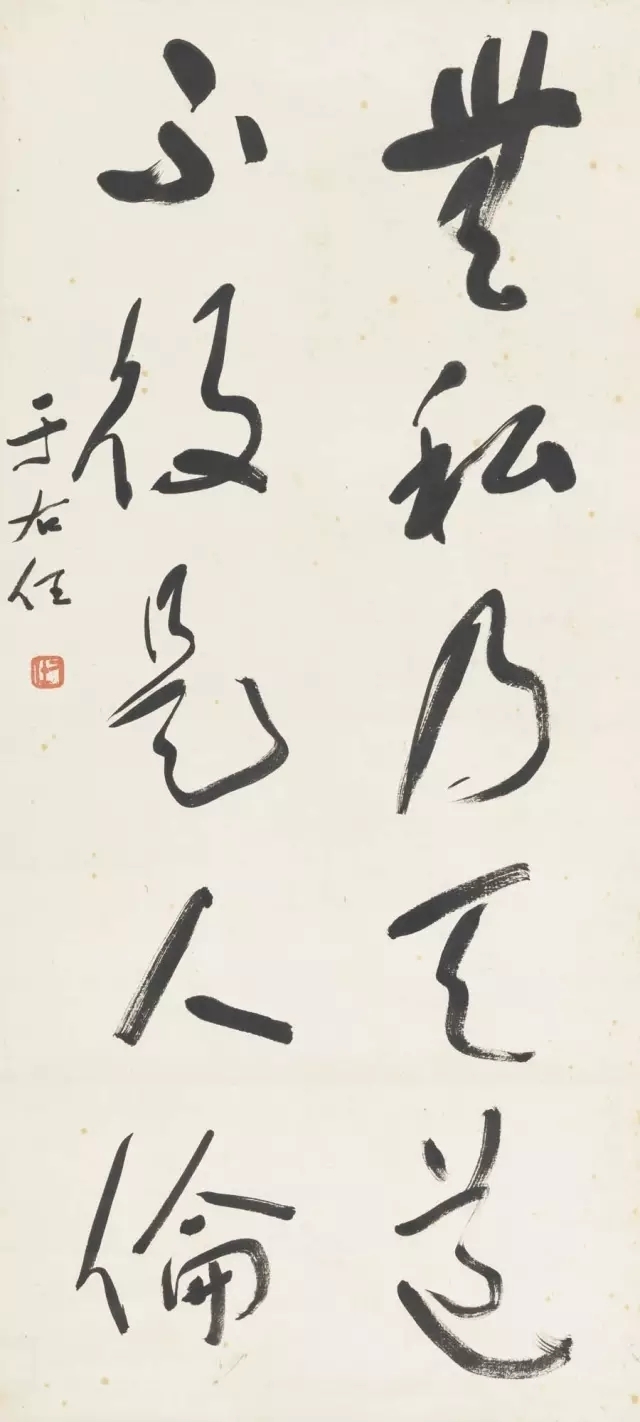
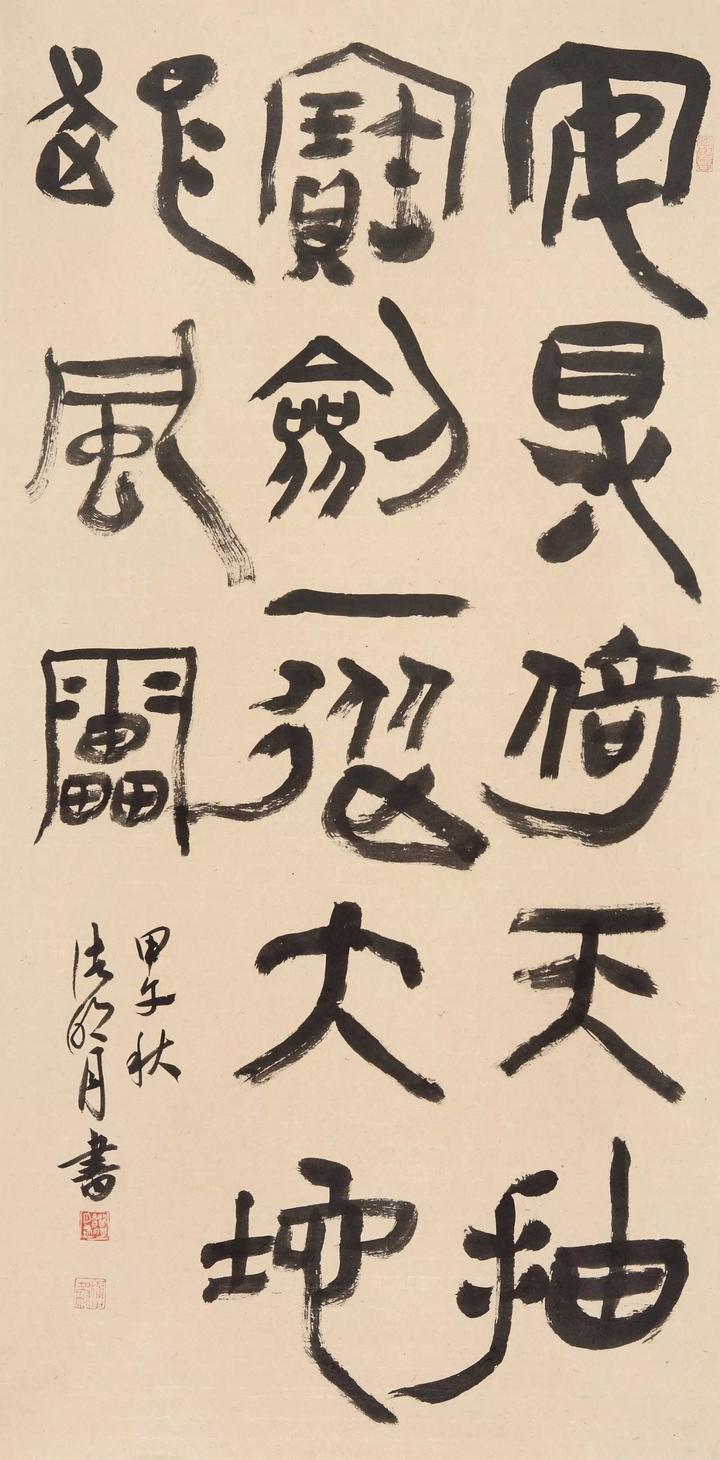
行远必自迩 登高必自卑
语出中庸,意指走远路从近始,
登山由低始。
人道敏政 地道敏树
语出中庸,意指贤人治国政事推行迅速,沃土树木生长快。
修身则道立 尊贤则不惑
语出中庸,指修养自身能立道,
尊重贤人不困惑。
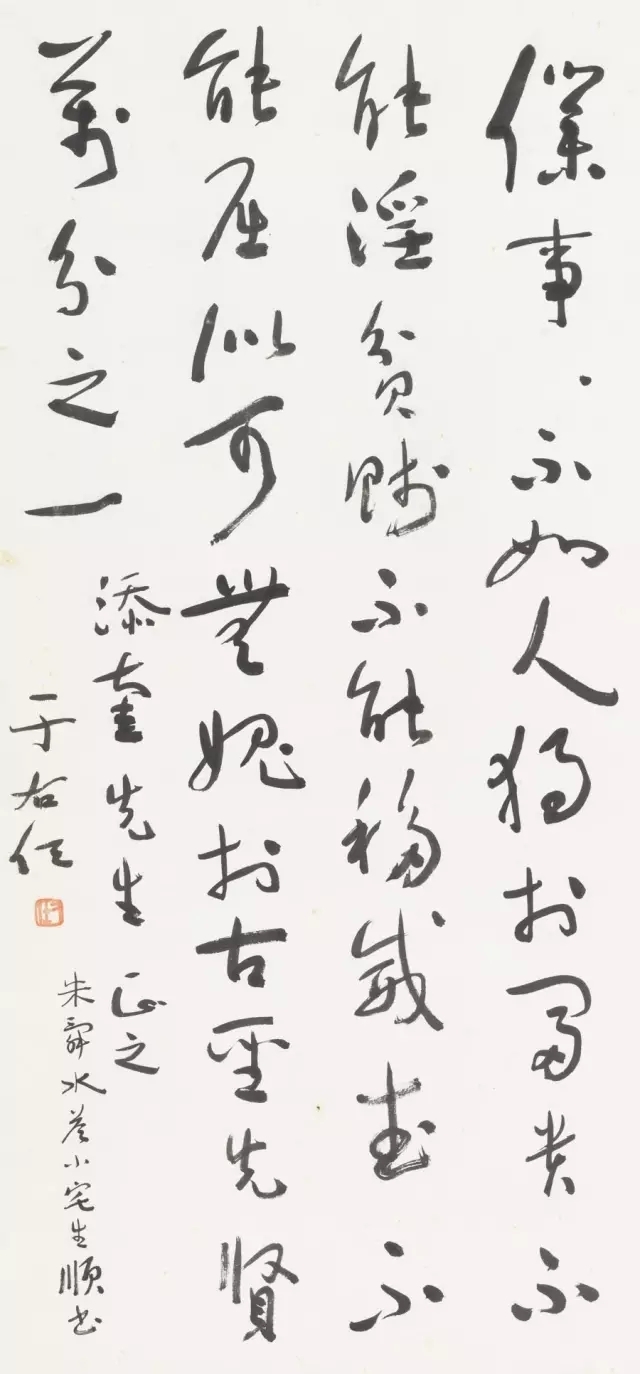
凡事豫则立 不豫则废
语出中庸,意指事先有备能成功,
无备会失败。
作者简介
李洪海,字一鑫,号方舟,天津市武清人。
现任中国人民革命军事博物馆书画院副院长、国防大学客座教授、中国书法家协会理事、北京文史研究馆馆员。享受国务院政府特殊津贴。
二十世纪七十年代师从启功先生,经先生把腕,积多年学承,形成内紧外拓、疏密相间、骨势秀逸、体势俊美的风。
书法篆刻作品广为流传,并公厅、国务院办公厅、军委办公厅、中国驻外使领馆等单位收藏,亦作为礼品馈赠国际友人。
主要创作出版作品有《红楼梦诗词歌赋钢笔书法》、《诸葛亮前后出师表》、《李洪海斗方书法作品集》、《翰墨系海疆》、《李洪海学录雷锋日记》、《李洪海书法 美术精品汇编》、《李洪海书廉洁奥运赋》、《李洪海书刘声东写给妈妈》等。
荣获献爱心优秀人民艺术家、全军学雷锋先进个人等荣誉称号。
书法入门歌
书法为艺术,前人心血凝。
学书贵有恒,练书须用心。
心正则笔正,笔决记心中。
下笔不离点,转折贵圆露。
有垂还欲收,勾划忌平庸。
左垂宜竖露,右直利悬针。
捺似金刀势,撇如犀角形。
横行锋务敛,结构气欲清。
毫发不松懈,布局巧用心。
疏密必相间,迟速便能通。
轻重相扶持,正偏顾盼情。
浓淡相映易,向背必适中。
虚实必兼顾,起伏延绵陈。
纵横穿插势,吞让有分寸。
导之则泉注,顿之则
神形能兼备,飘逸潇洒容。
日日不歇笔,不懈功竟成。
楷书口诀
楷书称正楷 起笔多藏锋
学书必先行 行笔用中锋
笔画形态稳 回锋要自然
字字得端正 结构讲造型
结构搭配匀 多临古人帖
章法要讲究 用笔讲技巧
笔笔得到位 楷书要写好
清朗必整齐 重在用腕上
行书口诀
行楷书写要流畅 主笔沉着是关键
快写简化是特征 连笔轻细不可粗
伸缩性大变体多 用笔最好是长锋
执笔用笔如草书 使墨必须调湿润
执笔必须悬起肘 全篇排头是标准
灵活多变才自如 一气呵成要贯通
隶书口诀
方劲古拙 如龟如鳖
蚕头雁尾 笔必三折
雁不双飞 蚕无二色
点画俯仰 左挑右磔
重浊轻清 斩钉截铁
碑口诀
魄力雄强 精神飞动
气象浑穆 兴趣酣
法跃骨血润达
点画峻厚 结构天成
意态飘逸 血肉丰美
草书要决
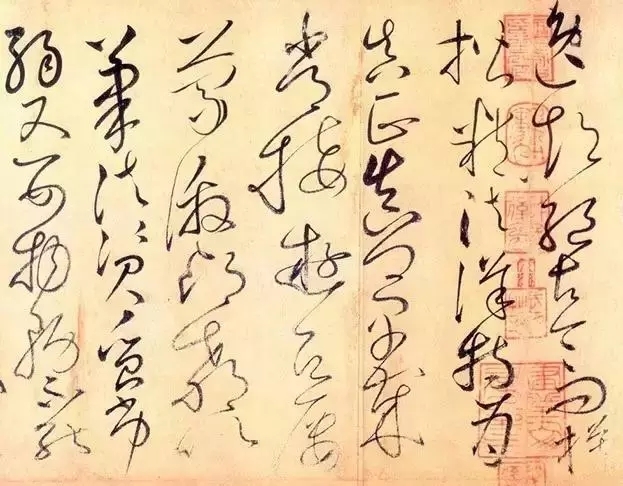
草书行行如春蚓 字字造型似秋蛇
全章一起要贯通 有气有神是精品
狂草要决
狂草如激电湍流 字字如惊蛇出洞
点线变化多姿美 疏密虚实心有数
气势磅礴态万千 结构布白心畅意
2、不爱交流,闭门造车
有的人终日苦练书法,遇见瓶颈难以突破,很大原因是不和人交流。真理在辩论中明了,学习在交流中提高。交流不光是把自己的作品拿给别人看,请别人指出问题;更重要的是在交流中学习别人的长处,取人之长,补己之短。
三天打鱼,两天晒网,这是很多书法人的恶习。甚至有时一丢就是半年,再提笔时觉得毫无长进,兴趣索然,于是乱画一阵便草草收兵。练习书法,一日有一日之功;一日不练,功退三日。怎能学好书法呢?
4、更弦易辙、乱投师门
个病了总是会很着急。起初找个医生看,人家开的药只吃了一副,觉得效果不大,听人说某处有神医,于是连忙拜望,结果又是药没吃完,重新转院…这样的人,学一辈子书法,都不会有大的长进。
5、眼界短浅,意识狭隘
练字是过程,滋润靠生活,一个成功的书法家,必须有足够的文学功底与丰富的生活阅历,才能在你笔下展现出源于生活的美好与精进的心性。书法是中国文化的载体,是诗词歌赋的灵魂寄托,如果一个书法人连基础的文化与修养都不重视,都不追求,技法再好,都是’无病呻吟’。’艺进于道’,就是这么个道理。
7、急功近利、不耐寂寞
艺术是一种高级的精神体验,是人生幸福的一种高级追求。当你真正进入书法艺术的殿堂时,才能邂逅先贤,与神灵会心,是精神世界的满足。当然,你说书法就是要坐一辈子冷板凳吗?书法人就养不活自己吗?这倒未必。财富是技艺精进的附加,只有你到了一定的境界水平很多西才翩然而至。’你若盛开,清风自来’嘛!因此,学习书法需要正确的心态。急功近利、不耐寂寞的人,是不适合从事书法艺术活动的。
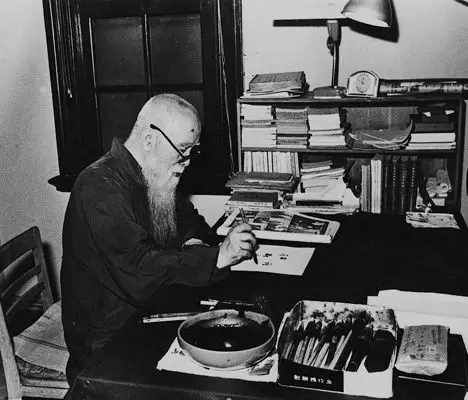
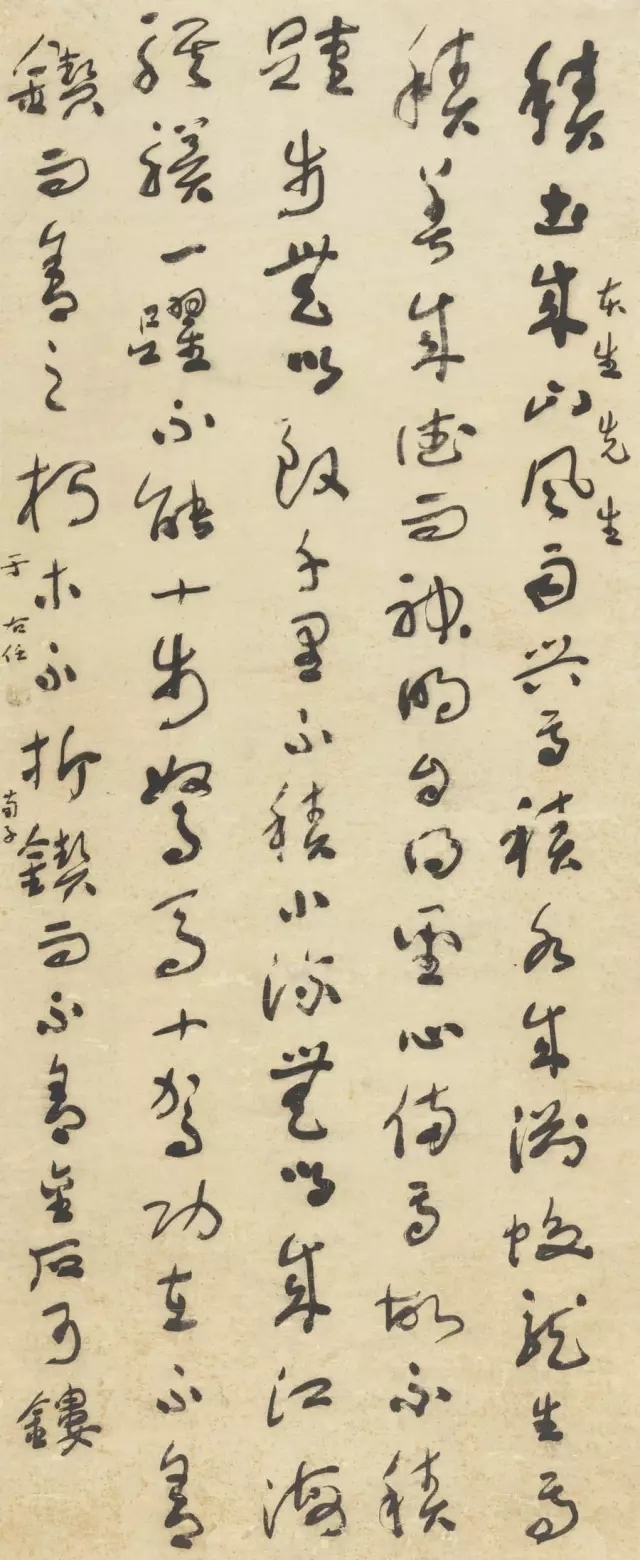
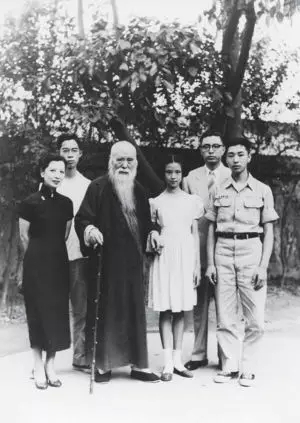
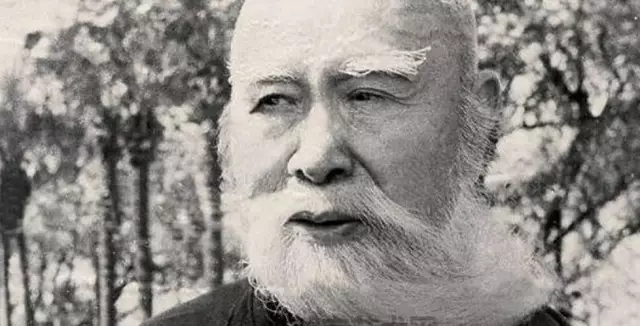
启功(1912——2005),自称“姓启名功”,字元白,北京市满人,皇族后裔。
著名国学大师、书法家、红学家、诗人。
曾任北京师大教授、中国书法家协会主席、西泠印社社长等职。
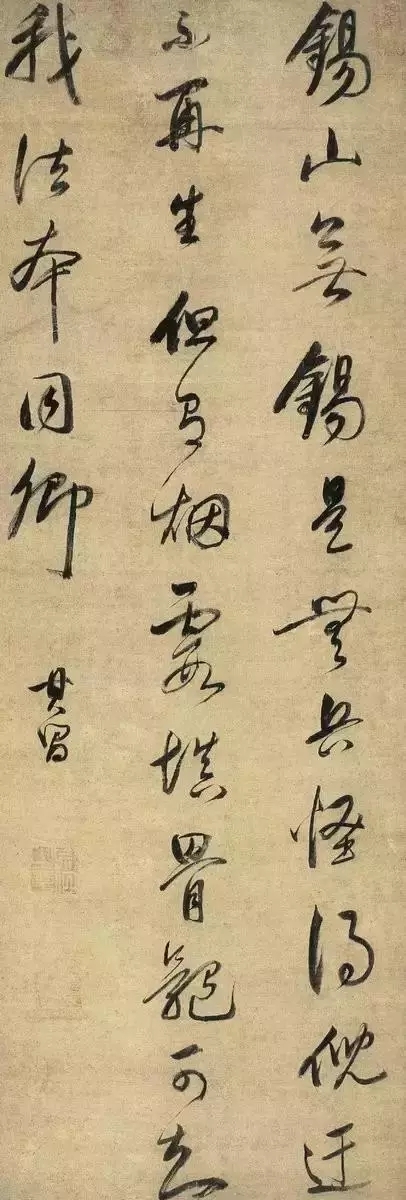
启功在书法方面成就最大,其书法作品无论在条幅、册页、屏联,都能表现出优美的韵律和深远的意境。
有书法界评论其书法作品道:“不仅是书法之书,更是学者之书、诗人之书。”
因此,欣赏启功的书画作品,亦是一视觉的审美和心灵的洗礼。
启功行楷八言联对联水墨纸本
①释文:笃信力行功在革命,察今博古世仰嘉猷。
②款识:子谷同志老先生,启功。
③钤印:启功之印、元白、闼门
④尺寸:225×43cm×2
⑤拍卖公司:北京保利国际拍卖有限公司
⑥拍卖时间:2012-06-03
⑦成交价:230万
启功行书七言联立轴水墨纸本
①释文:事冗书将零碎读,时来花自整齐开。
②款识:启功。
③钤印:『启功之印』、『元伯』
④尺寸:97×25.5cm×2
⑤出版:《启功全集》第十九卷第255页,
北京师范大学出版社,2011年4月。
⑥拍卖公司:北京华辰拍卖有限公司
⑦拍卖时间:2012-10-31
⑧成交价:103.5万
行书五言联立轴水墨纸本
①释文:至人无异趣,静者得长生。
②款识:启功。
③钤印:『启功之印』、『元白』、『己巳』
④尺寸:129×31.5cm×2
⑤出版:《启功全集》第十九卷第187页,
北京师范大学出版社,2011年4月。]
⑥拍卖公司:北京华辰拍卖有限公司
⑦拍卖时间:2012-10-31
⑧成交价:103.5万
启功书法对联立轴水墨纸本
①释文:高花风堕赤玉盏,老蔓烟湿苍龙鳞。
②款识:仲廉先生正,启功。
③钤印:『启功』、『元白』、『少文』
尺寸:132.5×32cm×2
⑤出版:《诗书画名家作品·启功卷》周巍审编
⑥拍卖公司:北京银座国际拍卖有限公司
⑦拍卖时间:2013-12-01
⑧成交价:80.5万
启功行书七言联立轴水墨纸本
①释文:顾视清高气深穏,文章彪炳光光陆离。
②款识:书学协会二十周年纪念,启功於新加坡。
③钤印:启功之印、元白、前贤句
④尺寸:143×70cm×2
⑤拍卖公司:北京保利国际拍卖有限公司
⑥拍卖时间:2014-12-03
⑦成交价:115万
1、首先,给我的第一印象很好
字写得好的,一般卷面也整洁些。
这样的卷面总给人一种美感。
美,谁会拒绝呢?
我自然乐意看下去,如果文章写得好,分数自然会更高些;即便文章写得一般,分数与同类相比,还是会沾一点光的。
二者,让我拥有一个好心情。
先说那些字迹潦草、不太整洁的卷面吧。
一看这样的卷面,心里格外难受。
记得有次阅卷,一位戴着老花眼镜50多岁的女老师与我搭档。
在很是刺眼的镁灯下,有一份了半天之后,说:“这孩子,不知道写了些什么,完全看不清楚,给个十几分算了。”
半晌,或许是不忍心,又将卷子递给我,说:“要不,你帮忙看一下。”
我是耐着性子,睁着眼睛好不容易才看完的,最终给了33分。
说实话,如果不是老老师所托,我是不会这么仔细看的。
再说,如果我稍一怂恿,这名考生或许就定格在十几分上了。
看到没?近20分的差距啊!
须知,一份这样的试卷会影响我的心情,还不是一会儿。
时间稍长,遇上这样的试卷稍多,他们肯定要吃点亏的,或多或少。
要知道,现在是网上评卷,一天七八个小时地盯着屏幕,眼睛可是生疼生疼的。
不好认的字、不整洁的试卷意味着什么,不言自明。
2、其次,让我愿意全面去看
是否可以打个样的比方?
一份不好的试卷,即使你有一些亮点,就如同将金子混同在垃圾当中一样,一般人怎么会到哪里去寻找呢?
而作文评分中,展示亮点是获得高分的重要途径。
字写得不好不让人认,客观上不是在拒绝得高分吗?
那些字写得好的卷子,阅卷老师能全面认读,亮点得到足够的呈现,得高分的机会自然多得多。随着时代的发展和科技的进步,网评早已成为了现今高考试卷评阅的基本手段。
一份中、高考作文试卷在评卷教师的眼皮底下停留的时间也就60秒左右,如果卷面不整洁,字迹难认(还不说美观),试想象一下,其结果将会怎样呢?即便文章不错,又一定能怎样呢?
所以,在平时的教学中,我常常要求同学们一定要练好字。
不能写美观,首先写工整;不能写工整,首先写干净。只要不断坚持,没有人写不好字的。
3、写字是中、高考的生产力
曾经有人算过这样一笔账:假如字写得不好,卷面不干净,从而导致失分的话,以每科5分来计算绝不夸张,那么总共要损失约30分。
想一想,从辛辛苦苦的备考中每科要增长5分的话,有多难?要花费多少时间?
由此可见,写好字,交一个整洁的卷面,无形中已经给自己加了不少分。
况且,把字写好一点不会比把跛腿学科提升一点还难!
4、能不能写好字首先是个认识问题
古人云:如其人。
这说的是从一个人写的字中可以读出这个人的一些特点
现实中,只要你细心观察一下还真是那么回事。我有一个学生,字写得简直不要人认。
一篇七八百字的作文,字写得歪七竖八,连涂改的墨坨坨不下三十处。
真是难认难看难受。再看他说话、做事、思考问题等,几乎没什么章法。看来,这些都是坏习惯惹的祸。
身为中国人,还要学中文。讲的是中国话,写的当然是方块字。
口头、书面表达都需要,尽管有电脑可以帮忙,但手写还是不可或缺,既方便又快捷。
更何况汉字书法是中华文化的重要组成部分。
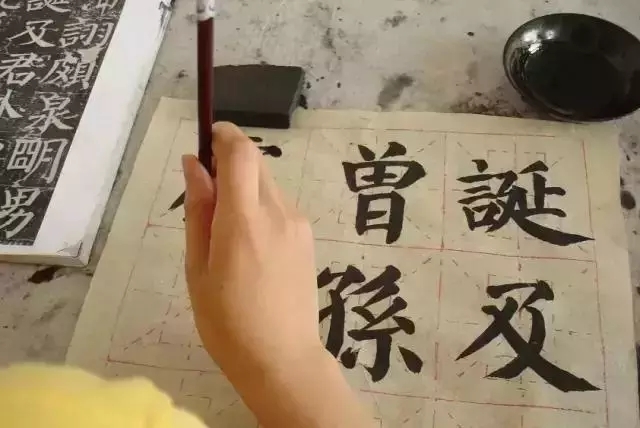
一、姿势
下巴稍微扣一下,手腕要含有一把劲,但不能僵,手指跟笔之间要稍微加点力。
二、工具
找那种比较软的狼毫,自己手下要感觉笔的弹性,真正的狼毫非常软。
虽然软,但要求笔的腰部有力,倒下自己能起来。
如果运气好,找点一二十年前的老笔。
纸张方面,可以寻找时间比较长的宣纸作为创作用纸。只要银子许可,纸越老越好。
三、临帖
要尝试把行书当楷书,把楷书当行书临,要能自己分析单个字中间有几个节拍,每个节拍的运笔角度和速度。
可以临刻本或者拓本作为墨本的补充,但还是以墨本为主。
临摹范围也可以超出唐代,但绝对不允许学明代以后的东西!
四、练习量
每天最好有两个小时,行书近千,楷书近五百。
这时不仅要求整体速度,而且要求单个笔画速度要上去,每个字最好控制在6-10秒之间。
不要急于创作,慢慢来,三年功夫少不了的。
悬腕是一定的!请坚持,不悬腕无法达到腕平。
其实不用紧张,会用筷子就会用笔,仔细思考一下怎么夹水饺。
可以从智永千字文下手,要墨迹本的那种,字可以稍微大点,因为我们的工具跟不上。
镝箭认为秦以前写字用硬笔,这是误,中国人向来用毛笔写字的。
戰國時期的毛筆已經出土很多了,早在商代就有了墨跡玉書。
筆的下面之“聿”,古稱“bi”,是筆的聲旁,不是蘆葦的意思。
名隱對刀筆吏之刀的解釋對。
字写得好不好无所谓,但不能越写越烦恼或者越狂躁,那就是方法错了。
解决的办法也有,那就是稍微加快一点书写速度,速度提上来,字就不会太散。
同时在书写过程中注重手腕的感觉而忽略头脑的批评,写得不像不好看都没关系,但要使书写动作合乎身体自然。
如果九成宫迟迟没有进境,能不能暂且退一步,从虞恭公入手呢?
九成宫对用笔和结字的要求都很高,往往临摹尚可,但实际创作时运用难以自如。
虽说临创脱节是个通病,但学九成宫往往更加明显。硬攻不成的话,不妨迂回围歼,即便最终难以攻克,但或许沿另有斩获。
五、常见问题
问:我们怎么知道原帖字多大?
答:明以前的纸,高度都是26厘米左右的,跟我们一本十六开杂志的高度差不多,所以我们当前印刷的字帖,大部分是原作差不多大小。
问:用哪种版本的字帖好?
答:银子宽裕就买二玄社的,其次是西泠印社的那套厚纸板封面,常见的是吉林摄影出版社孙宝文出的那一套。
问:《九成宫》这么难还能不能学?
答:最好先学过欧阳询的行书和其他碑刻,然后再写《九成宫》。
问:练习用什么纸?
答:手工毛边纸,最好别用报纸。
问:进入状态慢怎么办?
答:逼着自己把书写速度提上来,不妨先练习快速书写笔画、偏旁作为热身。
书写的时候,要有意识把笔杆倾斜一定的角度,这个角度随运笔不断变化方向。
但可不是象流行书风那样横过笔来刷字!
这个笔杆的倾侧角度,主要由手腕的内挑和外翻形成,切莫用手指和肩臂运作。
间架可以临摹,笔法只好瞎猜。
既然要猜笔法,当然从墨迹下手容易一些。
如果你不肯从墨迹下手,又执意要学习古典书法,那么给你推荐一剂猛药——在立面上写字,把纸立起来帖到墙上或者木板上,然后悬空写字。
刚开始肯定不成笔画,坚持下来会有收获。